
Web design is entering a new era in 2026, where functionality, intelligence, and user experience matter more than surface-level aesthetics. Businesses, startups, and entrepreneurs are experiencing a shift where websites are no longer digital brochures; they are dynamic ecosystems that guide, assist, and respond to users. The changing expectations of online visitors, combined with the integration of AI and advanced technologies, are pushing brands to rethink how they present themselves online. Today’s digital audience demands a fast, intuitive, and personalized journey, not a static, predictable layout.
This evolution is driven largely by how people interact with digital content. Users now switch between devices, platforms, and apps in seconds, expecting continuity and seamlessness. As attention spans shrink and competition rises, brands must embrace designs that load instantly, feel familiar yet modern, and adapt intelligently to individual preferences. This is why the upcoming web design trends of 2026 focus heavily on personalization, interactivity, accessibility, speed, and immersive experiences. Businesses that understand this shift can build stronger relationships with users and inspire long-term trust.
For entrepreneurs and small business owners, these changes present opportunities rather than obstacles. You no longer need massive budgets or complex coding to deliver exceptional user experiences. The future of web design encourages intelligent systems, user-driven layouts, and performance-focused structures making it easier for newer businesses to compete with established brands. As we explore the major design trends for 2026, the goal is to understand how each trend enhances user satisfaction and supports business growth.
Top Web Design Trends
AI-Driven Personalized User Experiences
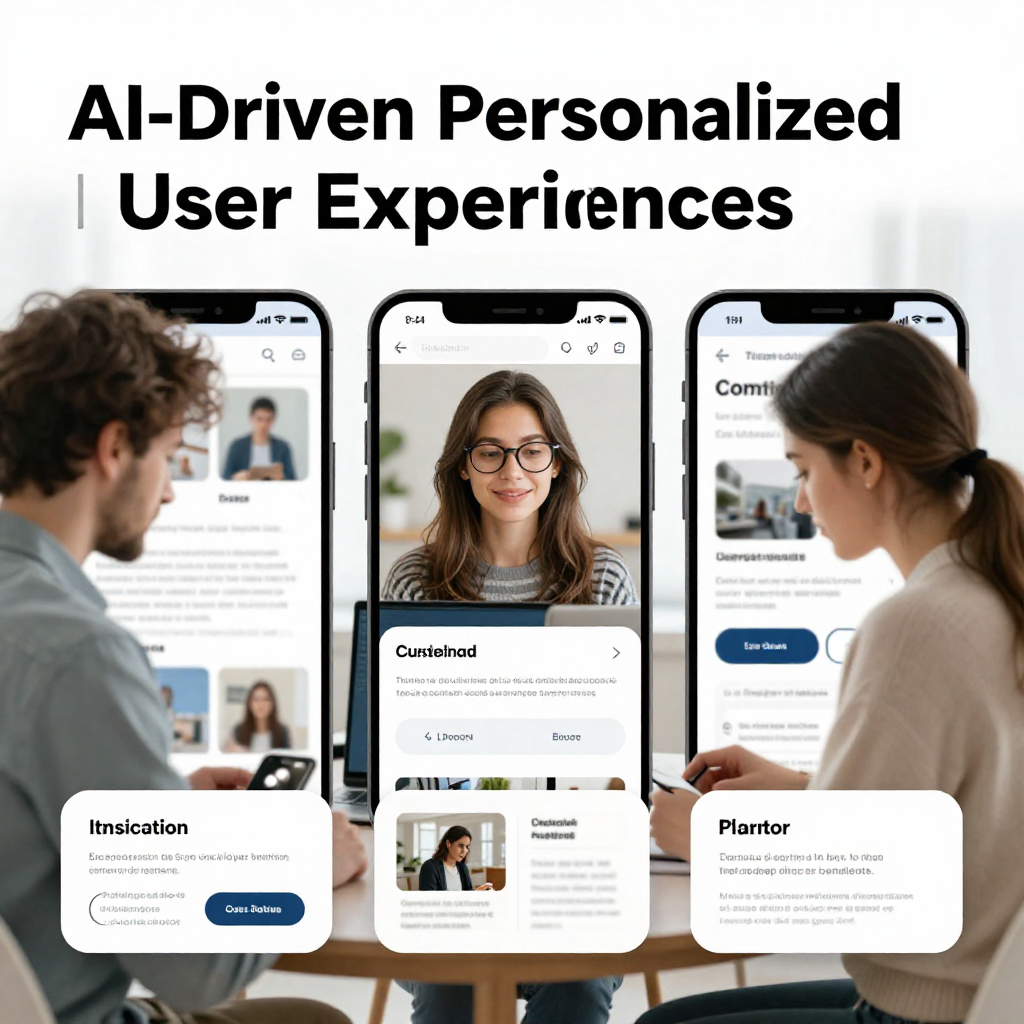
Artificial intelligence is changing the way websites are used to treat visitors, and it has resulted in personalized experiences that can be considered intuitive and relevant. In the year 2026, AI will be able to examine user behavior in real-time like the scroll depth, the number of clicks, the browsing behavior, and the history of purchases to assist it in providing individualized experiences to users. A repeat customer may get products based on their previous search and a new visitor may be onboarded or offered a promotion based on their purpose. This dynamic behavior makes websites more human, they know what the users need and it is not clearly stated.
Recommendation engines, chatbots, smart navigation, and changing the layout depending on behavior are already emerging as examples of the emergence of AI-driven personalization. But this technology will be a standard and not advanced in the year 2026. Websites will be automatically adjusted in the homepage sections, the placement of the CTA, the sequence of the content, the color themes, and even the interactive features according to the preferences of the users. As an illustration, in case a person regularly engages with video content, the site will focus on video modules. The site can automatically change to a dark mode to make a user comfortable with the site especially when the user is usually browsing at night.
This trend is very beneficial to businesses. Personalized experiences are better than bounce rates, as well as improving conversions greatly. Customers take longer time on the site that comprehends the intent and gives appropriate advice. It is particularly beneficial to startups and entrepreneurs since AI-based personalization removes the distinction between small and large businesses. As a result of cheap tools and plugins, small sites are able to provide dynamic, personalized experiences previously found only on high-profile sites. This renders AI-enhanced personalization as one of the most powerful trends of the future of Web Design.
Ultra-Fast, Lightweight Websites
Speed will be the biggest deciding factor for user satisfaction in 2026. As mobile browsing dominates and user patience declines, websites must load instantly, regardless of device or internet quality. Search engines also prioritize fast-loading experiences, making performance a major competitive advantage. Lightweight web design emphasizes highly optimized code, reduced scripts, compressed images, next-gen formats, and modern frameworks that eliminate unnecessary elements. The result is a website that feels fluid, responsive, and effortless to browse even with animations or dynamic content.
Performance-first design does not mean removing visuals or creativity. Instead, it ensures that every design component contributes to user experience without slowing the website down. Frameworks like Astro, Next.js, and SvelteKit use modern techniques such as partial hydration and static generation to load only what the user needs at that moment. This reduces load time, improves interaction speed, and enhances overall browser performance. Websites designed with precision often see better retention, higher engagement, and increased conversion because users feel the experience is seamless.
For businesses and startups, prioritizing speed reflects professionalism and trust. Users often judge a brand’s credibility based on how fast its website loads. A single second delay can cause frustration, resulting in lost opportunities or abandoned sessions. Lightweight websites also save hosting costs, reduce energy consumption, and support future scalability. As more people browse from remote or low-speed areas, brands that invest in performance-first web design strengthen their global reach and accessibility. This trend makes fast, efficient websites a foundational requirement for success in 2026.
Immersive 3D Graphics & Micro-Interactions
Web design is becoming more immersive as 3D graphics and micro-interactions add depth, personality, and emotional engagement to websites. In 2026, websites will use advanced rendering technologies like WebGL and Three.js to display interactive 3D models, animated product previews, and dynamic visual storytelling. This level of immersion allows users to explore experiences similar to real-life interactions such as rotating a product, zooming into textures, or engaging with animated sections that react to movement. The goal is to create websites that feel alive and memorable.
Micro-interactions enhance user connection by responding to small actions like hovering, clicking, or scrolling. These tiny animations such as buttons that bounce subtly, icons that shift slightly, or progress bars that animate make digital interactions feel smoother and more intuitive. Users naturally enjoy responsive feedback because it feels personal and satisfying. In 2026, micro-interactions will become smarter, adapting based on user behavior. For example, a call-to-action button may expand gently if a user hesitates, encouraging engagement without interrupting the flow.
This trend benefits businesses by creating better emotional engagement. Users feel more connected to websites that react in meaningful ways, increasing the likelihood of exploration, trust, and conversions. 3D visuals also help users understand products more clearly, eliminating confusion and boosting purchase confidence. Industries like fashion, architecture, furniture, and technology will see huge advantages as 3D previews replace static images. The combination of immersive visuals and interactive micro-experiences transforms websites into captivating digital environments that strengthen brand identity and user loyalty.
Voice-Optimized Interfaces
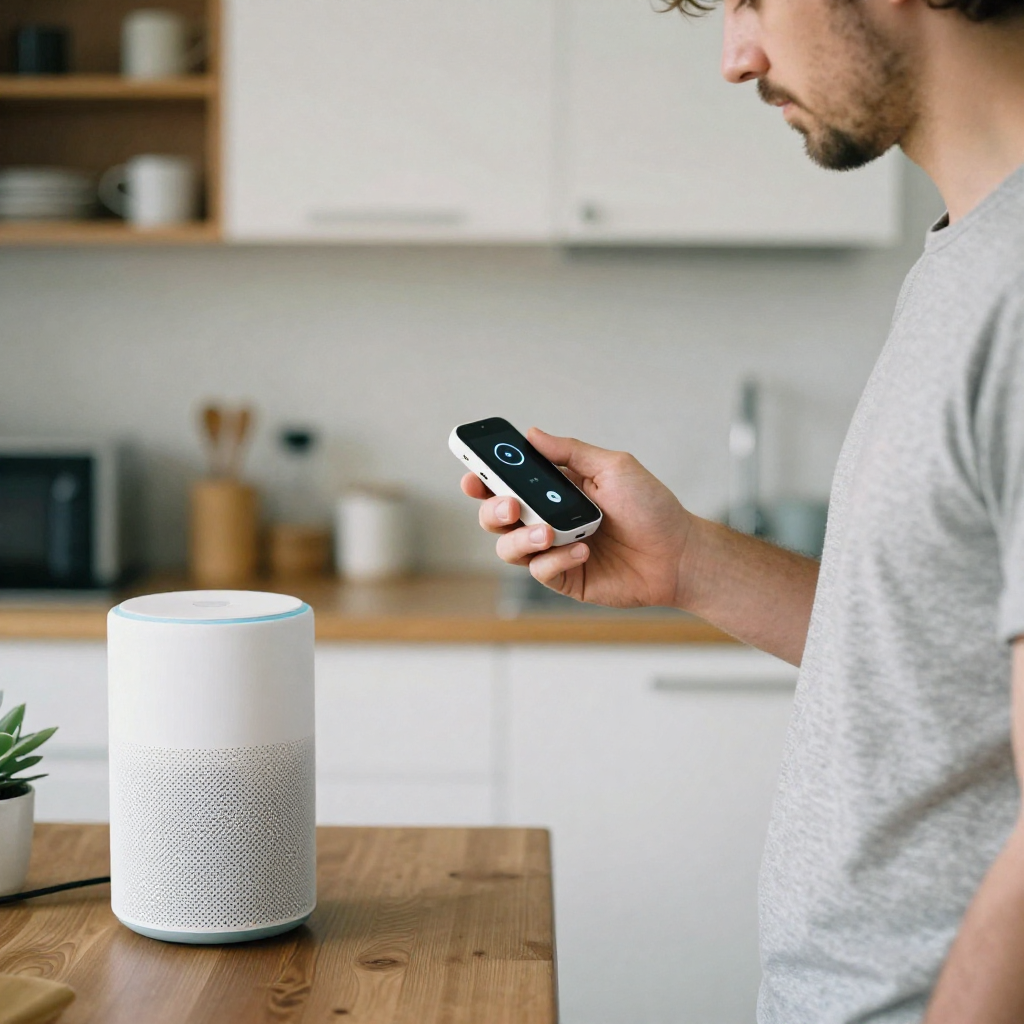
With the ever-increasing voice search, web sites will be more optimized to allow interactions through voice in 2026. Consumers are getting used to talking to machines and commanding them to find something, scroll through pages, and take action by voice. In the next generation of websites, voice navigation will be implemented to enable people to navigate through menus, request information or carry out activities without using their screens. This is particularly handy to users who multitask, to the visually impaired or users who are more interested in faster hands-free browsing.
The voice-optimized interfaces require consideration in the organization of the content and navigation. Web sites should contain well-organized parts, labels that are not too lengthy as well as commands which are easy to understand. Companies will integrate voice UI features which direct users in a transparent manner like, say open pricing to see our plans. Although this trend may seem futuristic, it can be made easier using APIs and AI applications that turn speech into practical commands that can be executed on the site. Chatbots that operate with voice will also gain use, and will be able to provide assistance and answer questions in a conversational manner.
This transformation makes the experiences of the user more inclusive and approachable. Through voice interaction, brands gain popularity among wider audiences and eliminate obstacles that tend to restrict the interaction of users. In the case of startups and entrepreneurs, voice functionality can be used to make their websites stand out in comparison with the competition. Voice-activated navigation also enhances customer retention and satisfaction because visitors are granted the authority to navigate freely. Voice-optimized Web Design will become a normalized expectation with the availability of smart speakers, mobile voice assistants, and AI systems in every household.
Hyper-Accessibility (A11Y+) Standards
Accessibility in web design has transformed from a best practice into a universal standard, and by 2026, it will become one of the most crucial elements of creating meaningful digital experiences. Websites must ensure equal access for every user, including individuals with visual, auditory, motor, or cognitive challenges. With WCAG 3.0 guidelines expected to influence global accessibility rules, designers and developers are prioritizing inclusive elements such as keyboard-only navigation, assistive-reader compatibility, high-contrast interfaces, and error-free alt text. This shift ensures that digital platforms serve all audiences, not just the majority.
Hyper-accessibility focuses on proactive inclusion, meaning websites will predict and solve user challenges before they occur. Features such as adjustable text sizes, dynamic color adjustments, readable fonts, gesture-friendly navigation, and voice-supported actions will become common across professional websites. Businesses using AI will allow websites to automatically adapt accessibility features based on user behavior for instance, detecting difficulty reading small text and offering a readable mode. This not only improves usability but ensures that every visitor experiences the website comfortably and confidently.
For businesses, startups, and entrepreneurs, prioritizing accessibility is not simply compliance; it is a strategy for expanding reach and building trust. Accessible websites rank higher, convert better, and retain users longer because they remove friction from the user journey. Companies that embrace inclusive Web Design also present themselves as ethical, modern, and customer-first brands. In 2026, accessibility becomes a competitive advantage, representing future readiness, professionalism, and genuine care for diverse audiences. The rise of A11Y+ pushes businesses to design not just for aesthetics but for meaningful impact.
Rise of Minimalist Neo-Brutalism
The design world is witnessing a strong return of bold, expressive design through a modern form of neo-brutalism, a style that embraces contrast, raw edges, and intentional imperfection. However, in 2026, this aesthetic collides beautifully with minimalism, creating a new design language that is clean yet striking. Websites will increasingly feature strong typography, layered grids, high-contrast layouts, and simple color palettes that prioritize clarity. This modern neo-brutalist approach is not harsh like traditional brutalism; instead, it offers a unique balance of structure, honesty, and aesthetic sharpness.
This trend appeals to users who crave authenticity rather than overly polished, artificial designs. Transparent lines, exposed UI components, and visible structural elements help users understand a website’s navigation effortlessly. Designers use oversized fonts, asymmetrical layouts, and simple backgrounds to emphasize content without overwhelming visitors. Examples include tech startups adopting monochrome hero sections with bold headlines or creative agencies using structured block layouts that highlight their work. This style establishes a strong brand personality while maintaining simplicity and usability.
For businesses and entrepreneurs, minimalist neo-brutalism communicates confidence and originality. It eliminates unnecessary decoration, allowing core messaging and brand values to stand out. Companies seeking to differentiate themselves in competitive markets can use this design style to appear modern, bold, and user-focused. The trend also benefits usability: clear typography, strong spacing, and structured layouts improve readability across devices. With digital audiences valuing honesty and transparency, this design style aligns perfectly with future expectations. In 2026, minimalist neo-brutalism becomes a powerful blend of creativity and clarity.
Dark Mode Evolution
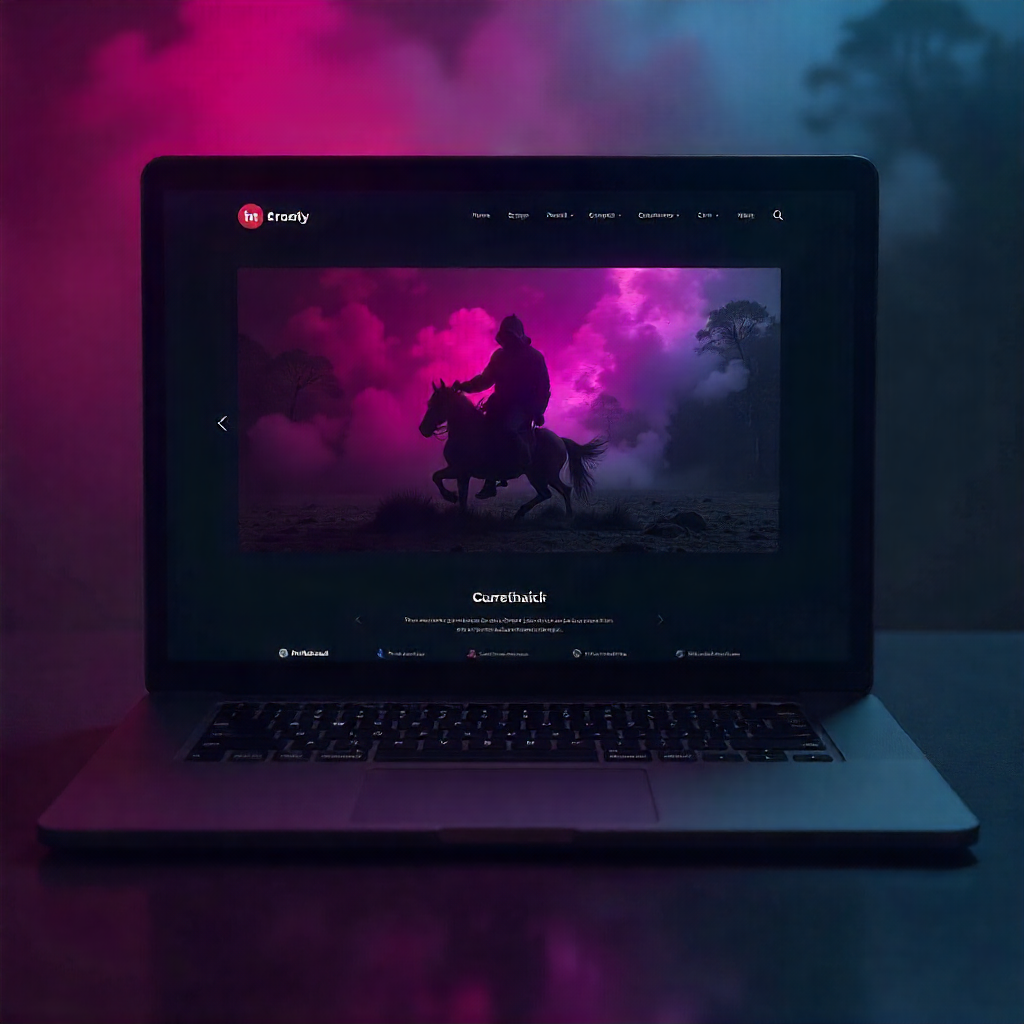
Dark mode has already become a preferred viewing option for users worldwide, but in 2026, it evolves far beyond a simple theme switch. Modern websites will integrate adaptive dark mode interfaces that adjust automatically based on the user’s environment, device settings, or time of day. This creates a more natural viewing experience, reducing eye strain and supporting longer browsing sessions. Designers explore deeper color harmonies, softer contrasts, and improved accessibility elements to ensure dark mode is not just attractive but highly usable.
Instead of applying basic inverted colors, websites will use purpose-designed palettes that enhance visual hierarchy and clarity. Shades of charcoal, midnight blue, graphite, and muted gradients will replace harsh blacks, creating more comfortable contrasts. Interactive elements such as buttons, icons, and CTAs will use luminous accents, subtle glows, and smooth transitions to maintain visibility in low-light environments. This evolution allows brands to maintain their identity while delivering a refined, premium look. Examples include streaming platforms, fintech apps, and SaaS dashboards that adopt adaptive dark mode for user comfort.
For businesses and entrepreneurs, offering a polished dark mode experience signals attention to detail and user well-being. It demonstrates that the brand cares about usability and evolves with modern preferences. Dark mode also enhances battery efficiency for mobile users, improving engagement and session duration. In 2026, adaptive dark mode will become an essential part of professional Web Design not a luxury feature. It boosts brand appeal, accessibility, and user satisfaction, offering a sophisticated and future-ready browsing experience.
No-Code & Low-Code Design Revolution
The no-code and low-code movement continues to transform the digital landscape, empowering designers, entrepreneurs, and small businesses to build high-quality websites without writing complex code. By 2026, these platforms will become more intuitive, flexible, and powerful enabling users to create modern, responsive, and scalable web experiences through visual builders and drag-and-drop interfaces. Tools like Webflow, Bubble, Wix Studio, and Framer will incorporate advanced animations, dynamic data capabilities, AI-assisted layouts, and automatic performance optimization.
This revolution democratizes web creation, making it accessible to individuals who lack technical backgrounds. Designers can now become full-stack creators by handling both the visual and functional aspects of websites. Startups benefit enormously, as they can launch professional digital platforms without relying entirely on development teams or large budgets. No-code and low-code platforms reduce development time, allowing businesses to adapt quickly to trends, test new ideas, and update their websites more efficiently. This saves costs while maintaining agility.
For Web Design Companies, this movement doesn’t eliminate demand, it shifts their role toward strategy, experience design, and complex custom solutions. Businesses increasingly seek partners who can integrate no-code tools with advanced features, manage automation, and maintain performance standards. This trend encourages collaboration between designers and developers rather than replacing one side. As digital competition accelerates, the ability to build faster, smarter, and more efficiently becomes essential. No-code and low-code systems are at the heart of this transformation, shaping the future of web development in 2026.
Next-Level E-Commerce UI Trends
E-commerce web design is evolving rapidly, and by 2026, shoppers will expect interactive, intelligent, and frictionless online experiences. AI-driven product recommendations become more accurate, showing items based not only on browsing history but also on predicted intent, season, and personal taste. Websites integrate features like real-time personalization, conversational shopping assistants, and interactive buying guides. These advancements ensure that users don’t just scroll; they experience curated journeys tailored to their needs and shopping behavior.
Immersive technologies revolutionize product interactions. Augmented reality (AR) becomes a standard feature in online stores, allowing users to virtually try on clothing, preview furniture in their homes, or visualize tech gadgets in real-scale 3D. E-commerce websites also incorporate cinematic transitions, micro-animations, and immersive product pages that highlight materials, textures, and functionality. These design elements enhance decision-making, reduce product uncertainty, and increase user confidence leading to fewer returns and stronger brand loyalty.
Frictionless checkout experiences become crucial for conversion success. One-click payments, biometric authentication, smarter cart reminders, and lightning-fast mobile checkout flows will define successful online stores. Progressive web apps (PWAs) support offline access, instant loading, and app-like interactions. For businesses, these advancements signal the importance of blending convenience with emotional engagement. E-commerce websites that embrace 2026 design trends will not only attract more visitors, they will convert them into loyal customers by offering seamless, enjoyable, and memorable online shopping experiences.
Sustainable & Energy-Efficient Web Design
As climate awareness grows, sustainability becomes a core focus for modern web design. In 2026, businesses increasingly adopt energy-efficient design practices to reduce their digital carbon footprint. Sustainable web design emphasizes lightweight code, optimized media, green hosting, and minimal server requests. These improvements not only help the environment but also boost website speed and performance. Brands can demonstrate social responsibility by showcasing sustainability badges, environmental impact metrics, and green operational strategies directly on their websites.
Sustainable design extends to visual and structural choices. Designers use resource-friendly typography, compressed color schemes, and minimal animations to reduce GPU load. Static website generation and caching techniques minimize energy usage by serving pre-rendered content instead of heavy dynamic pages. For example, a company website that replaces auto-playing videos with optimized image sequences or lightweight Lottie animations significantly reduces carbon output while maintaining visual appeal. These thoughtful choices create cleaner, faster, and more energy-efficient experiences.
For startups and entrepreneurs, adopting sustainable design is a chance to stand out as ethical and future-focused. Eco-friendly digital practices resonate strongly with modern consumers, especially younger audiences who value brands with environmental responsibility. Businesses that implement sustainable Web Design also enjoy cost benefits, including lower hosting expenses and improved site performance. In 2026, sustainability becomes more than a design trend; it becomes a brand value that reflects purpose-driven digital leadership.
Final Thoughts
As we move toward 2026, the future of web design is defined by intelligence, inclusivity, and emotional connection. Websites are no longer static digital assets; they are dynamic platforms that learn, adapt, and respond to user needs. Trends like AI personalization, immersive visuals, improved accessibility, and ultra-fast performance reflect a shift toward experiences that feel intuitive, human-centered, and meaningful. Businesses that embrace these changes will position themselves as leaders in a digital-first world where users expect excellence with every interaction.
For startups and business owners, the coming evolution offers opportunities to compete confidently with larger brands. Tools like no-code builders, AI-driven systems, and sustainable hosting make high-quality design more accessible than ever before. Modern audiences value websites that prioritize convenience, speed, and emotional connection over complexity. Focusing on these principles creates online experiences that strengthen brand trust and loyalty. The future belongs to brands willing to innovate boldly and invest in thoughtful, user-first design.
If you want to hire web design companies that truly deliver creativity, performance, and trust, FindBestFirms is the perfect place to start. The platform helps you discover top-rated agencies, compare portfolios, check reviews, and choose experts who match your business goals. With verified listings and seamless search, FindBestFirms makes finding the right web design partner faster, easier, and more reliable.